










The Nigeria Centre for Disease Control and Prevention (NCDC) has announced an increase in the mortality rate of Lassa fever as the illness continues to proliferate across various states, accompanied by newly confirmed cases and additional fatalities.
This information was provided by the NCDC in its most recent situation report for Epidemiological Week 23, spanning June 2–8, 2025, which was shared on its official website on Wednesday.
As per the agency, Nigeria has recorded 143 fatalities from 758 confirmed Lassa fever cases since the beginning of this year.
This represents a case fatality rate (CFR) of 18.9 percent, an increase from the 17.8 percent documented during the corresponding period in 2024.
The NCDC also indicated that 11 new confirmed cases surfaced in the week under review, rising from the eight cases noted the previous week.
The new cases were identified in Ondo, Edo, Bauchi, and Taraba States.
“In 2025, 18 states have reported at least one confirmed case of Lassa fever, distributed across 96 Local Government Areas.
However, 90 percent of all confirmed cases originated from just five states: Ondo 31 percent, Bauchi 25 percent, Edo 16 percent, Taraba 15 percent, and Ebonyi 3 percent,” the report highlighted.
The agency recognized that the age group most impacted continues to be young adults aged 21 to 30 years, with a median age of 30.
It additionally reported one new infection among healthcare workers during the reporting week, raising the total number of affected health workers in 2025 to 23.
The NCDC pointed out various challenges exacerbating the outbreak, including delayed case presentation, inadequate health-seeking behavior, high treatment costs, poor sanitation, and limited awareness within affected communities.
To mitigate the spread and decrease fatalities, the agency stated that it had activated a multi-sectoral Incident Management System and deployed 10 Rapid Response Teams to states experiencing the highest burden.
Further response measures comprised training health workers on case management, launching an Infection Prevention and Control (IPC) e-learning platform, conducting community awareness campaigns, implementing environmental response actions, and executing media outreach in partnership with stakeholders.
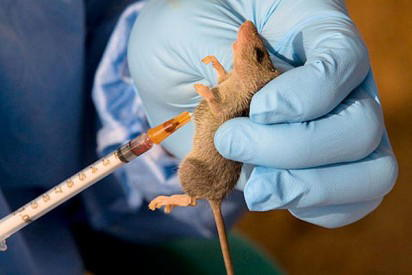
The NCDC urged Nigerians to uphold strict hygiene practices, seek medical attention promptly when symptomatic, and refrain from contact with rodents and their excrement, known carriers of the disease.
It’s important to note that Lassa fever is a viral hemorrhagic illness transmitted primarily through contact with the urine or feces of infected rats.


